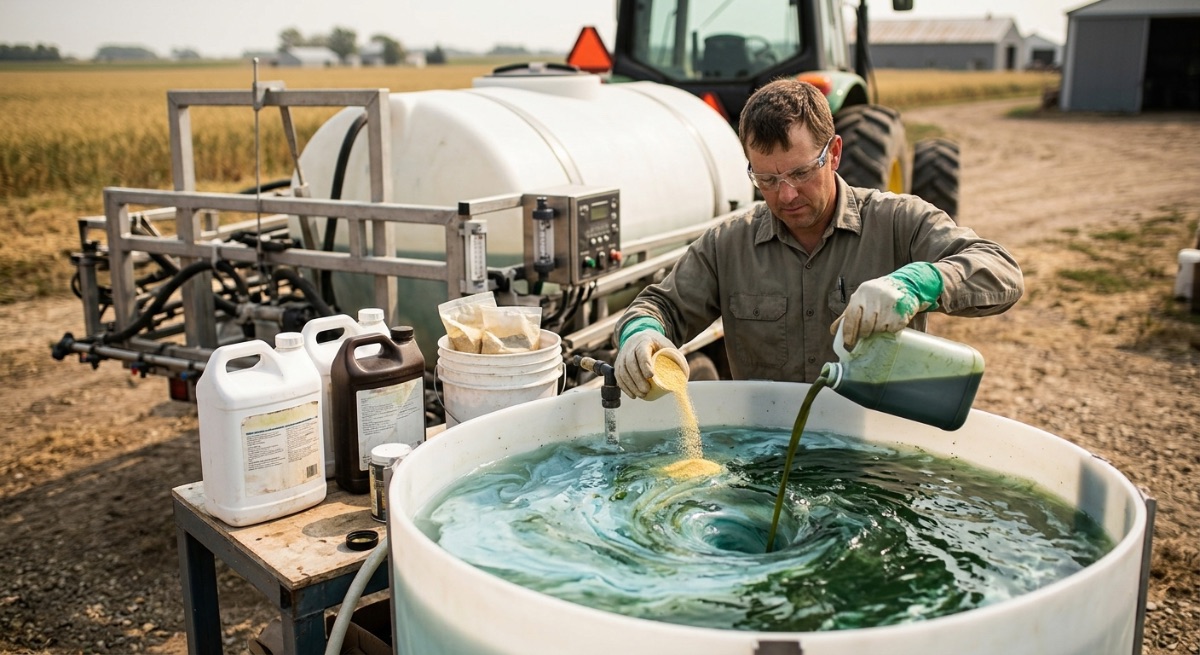
Tank Mixing Order, Step by Step
There is a line that recurs in extension guides and is worth taking seriously: most of the physical incompatibility seen in the tank does not come from…
Read more →
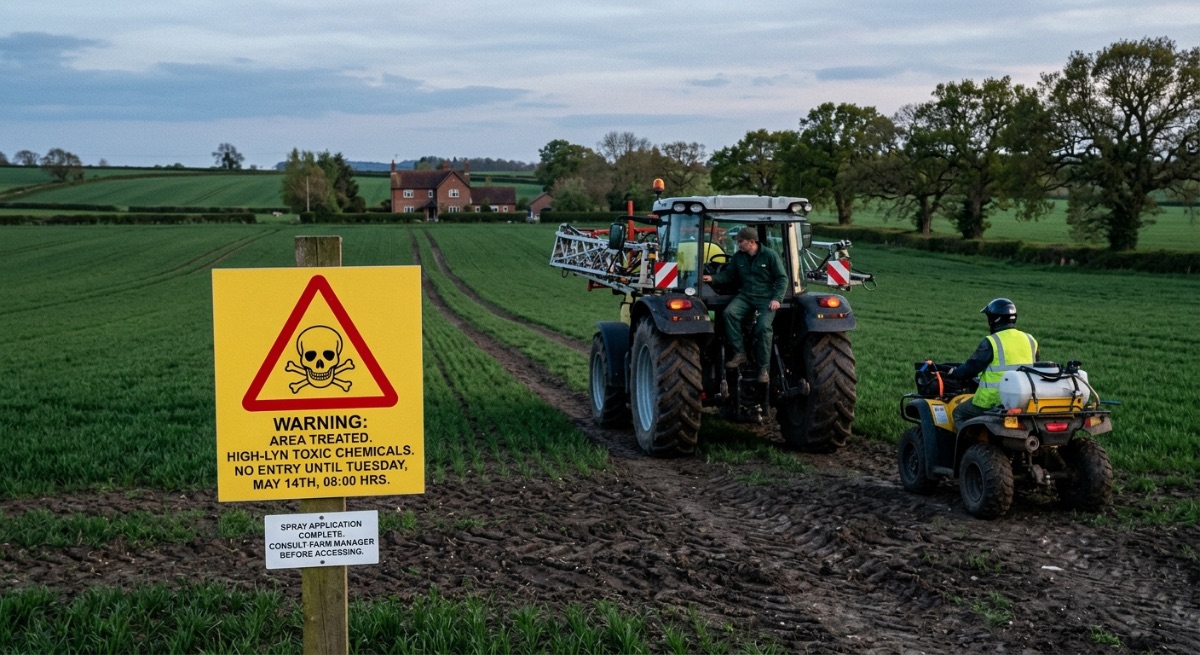
The Two Clocks After You Spray
You finish the application, pack the equipment and head to the next field. Behind you two countdowns are running, and neither is entirely yours — but you…
Read more →
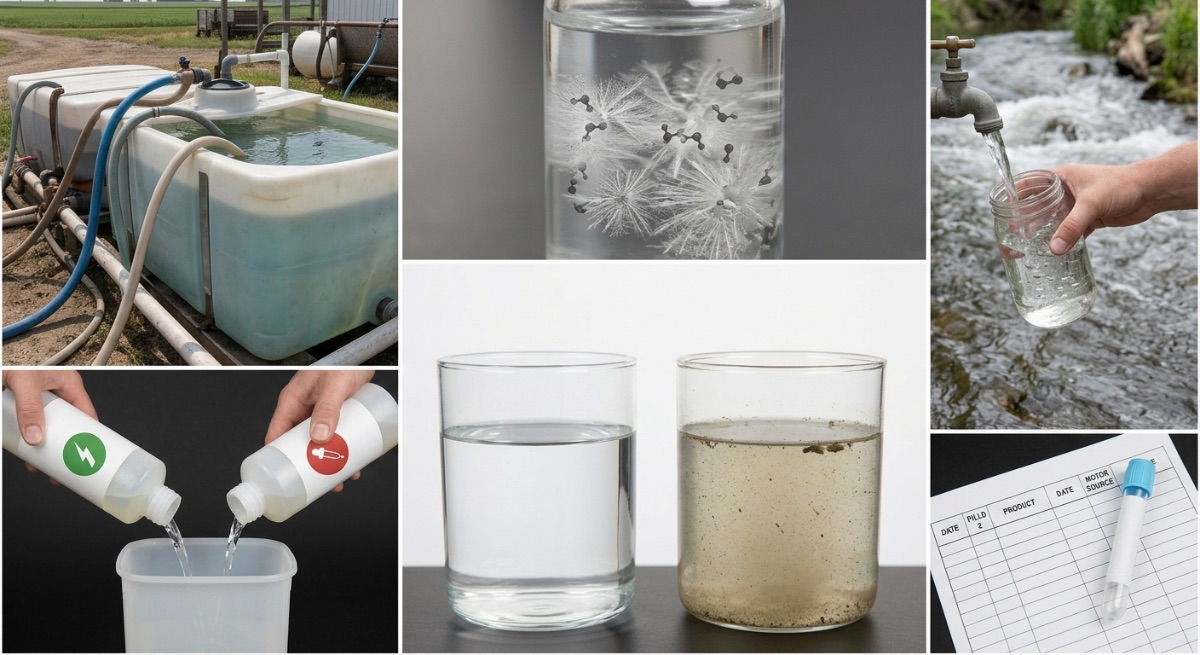
The Ingredient Nobody Tests
When a treatment does not work, the list of usual suspects is short: timing, rate, coverage, resistance. What almost never appears on that list is the…
Read more →
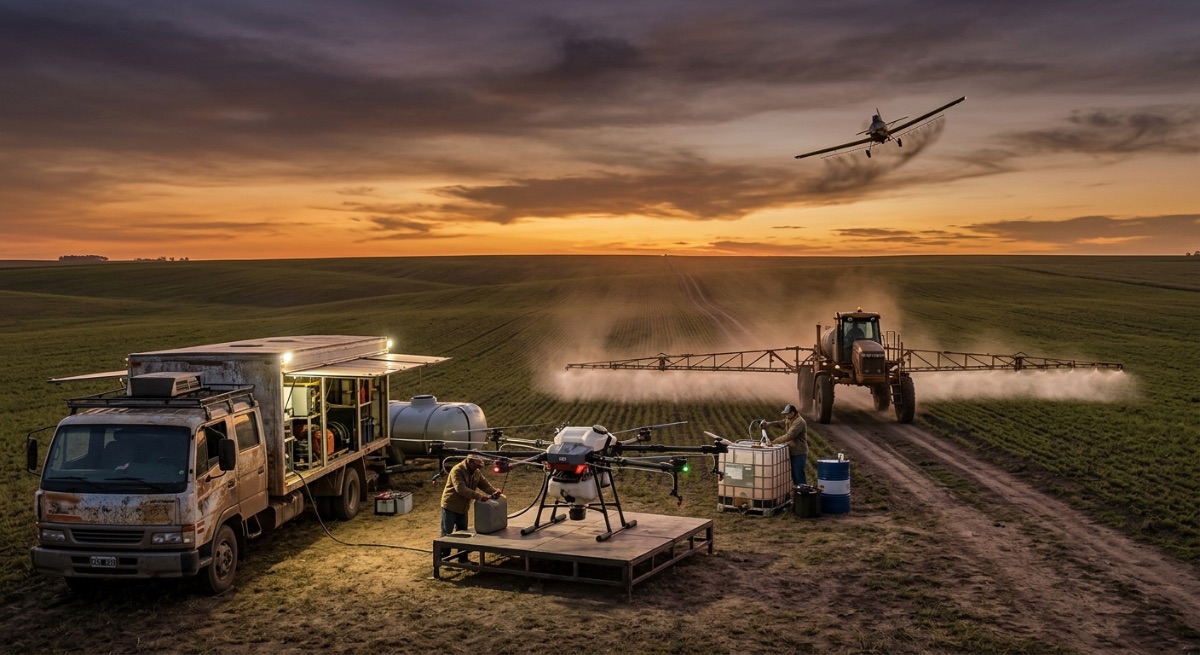
How Many Hectares a Day, Really
Quoting a large job forces you to answer an uncomfortable question: how many days will it take? Underestimate and you promise a date you cannot hold.…
Read more →
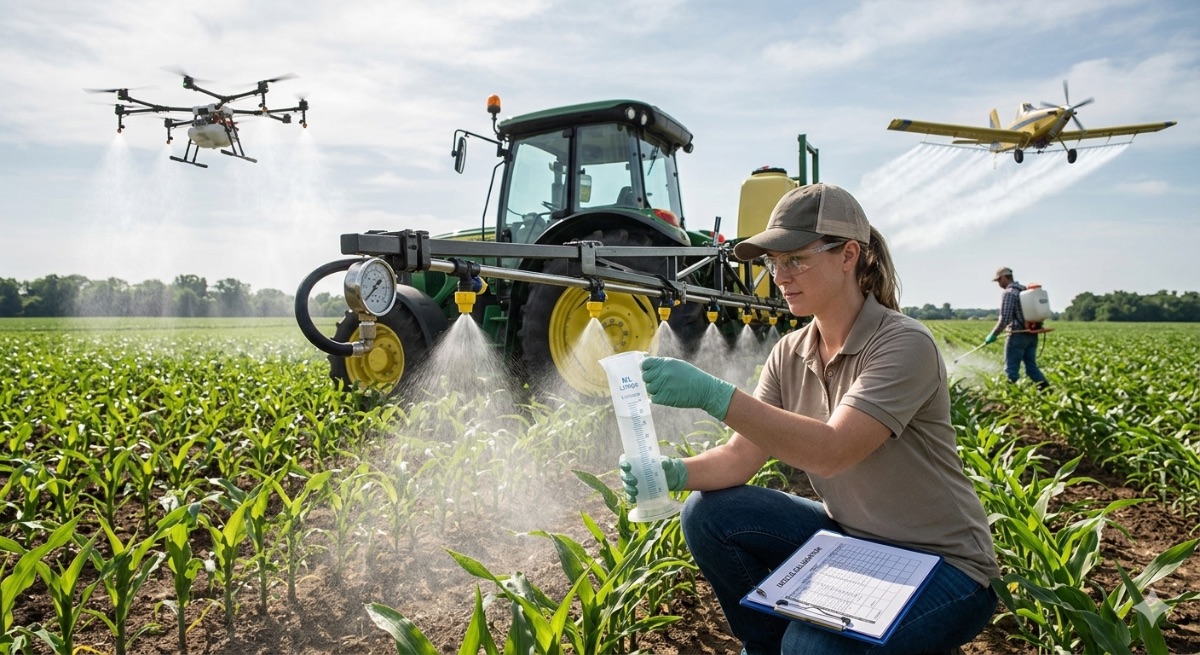
How to Calibrate Your Spray Rate
A pesticide label tells you how much active ingredient each hectare should receive. Your machine does not deliver active ingredient: it delivers litres…
Read more →
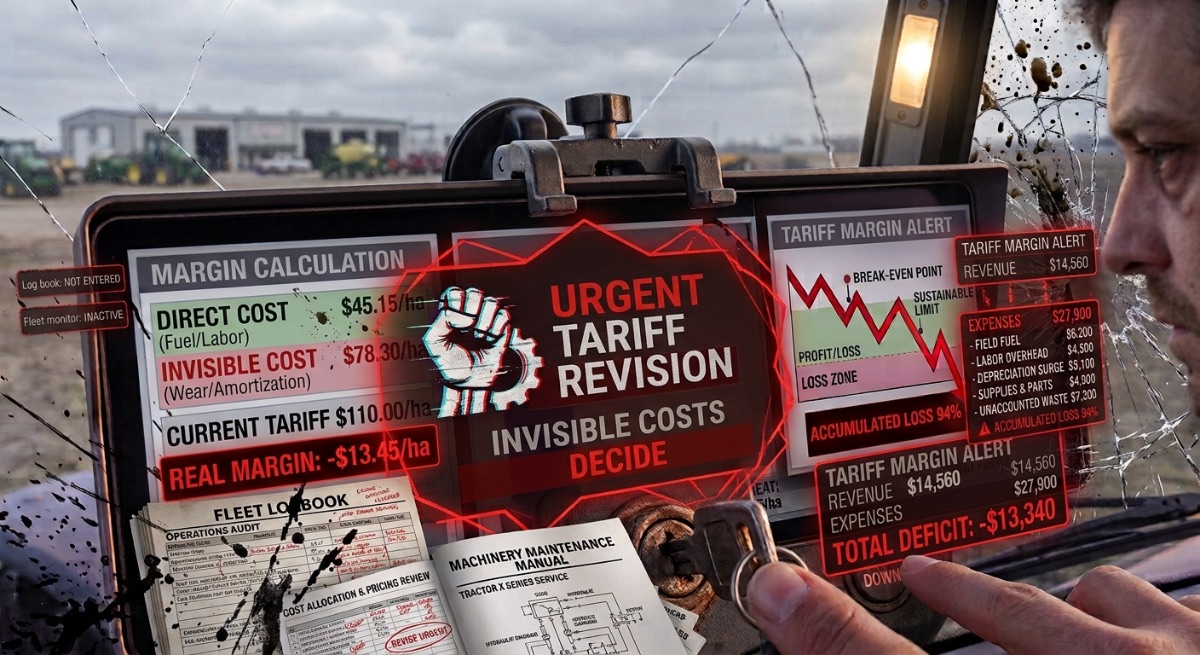
What a Hectare Really Costs You
Almost any applicator can tell you, fairly precisely, what he spent yesterday: the energy, the helper's day rate, the fuel for the truck. Very few…
Read more →

How Much to Charge Per Hectare
Ask ten applicators what they charge per hectare and you will get ten numbers. Ask how they arrived at that number and almost all of them say the same…
Read more →
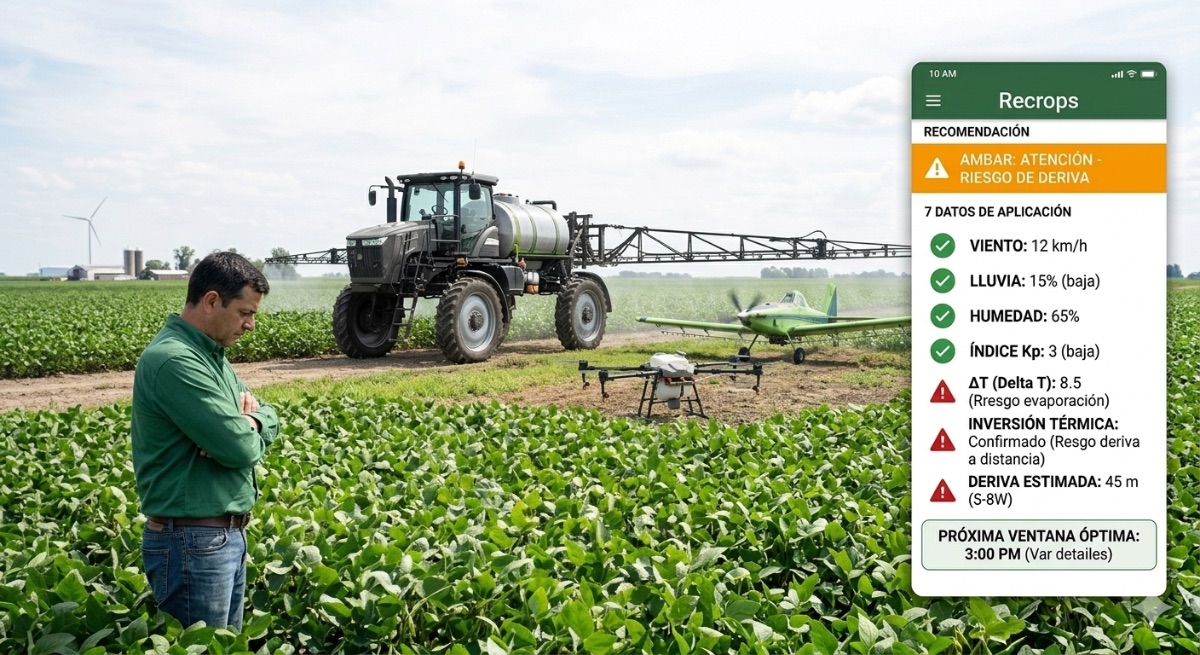
7 Weather Data Points That Decide Your Spray
It is 10 in the morning. The tank is loaded, the customer is waiting, and a decision has to be made: do we spray or not? By eye, the day looks fine. No…
Read more →
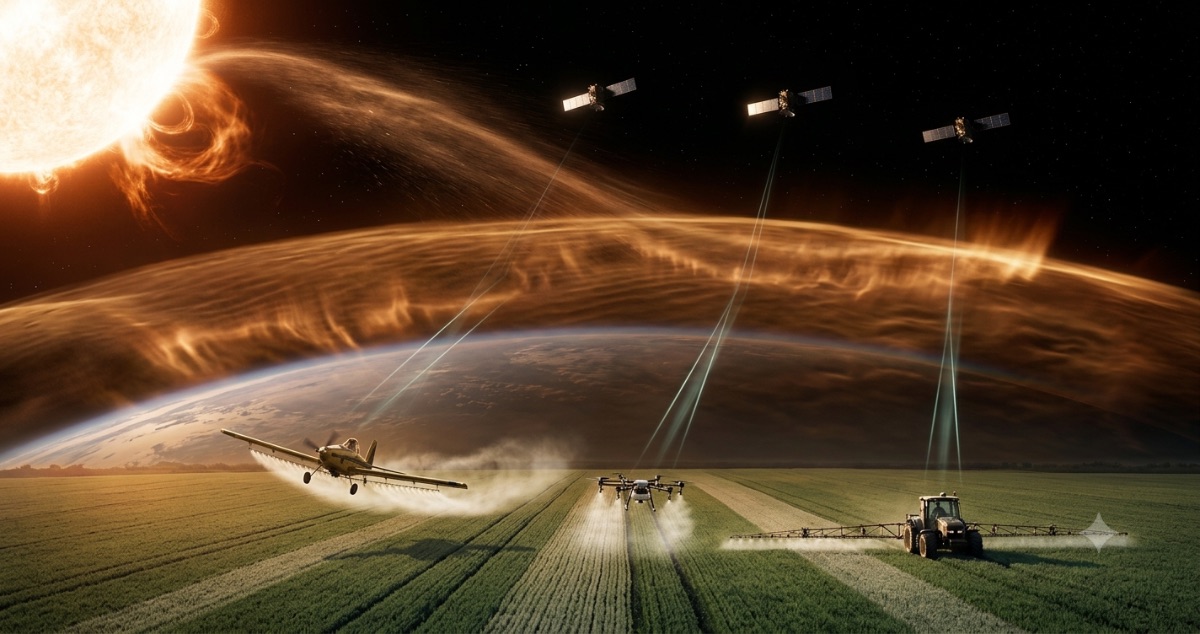
Kp Index: When It Can Ruin Your Spraying
There is a kind of bad day that shows up in no weather report. The weather was perfect. Wind in range, Delta T correct, no rain, no inversion. The…
Read more →
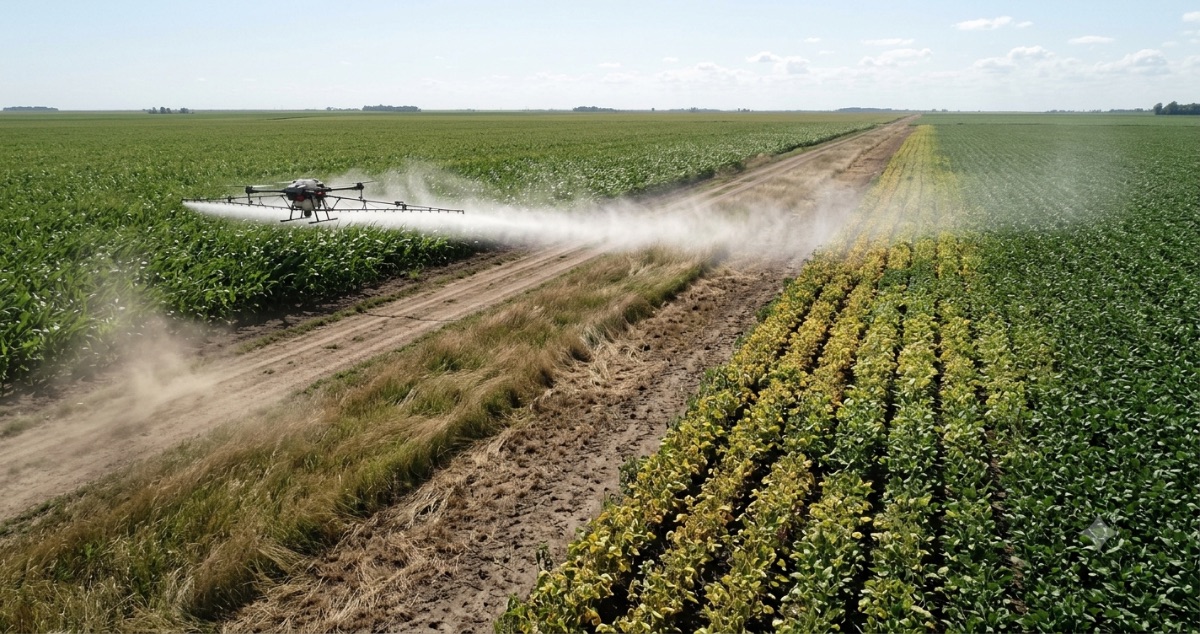
Spray Drift: How Many Meters It Travels
"There's a bit of wind, but we can go." That sentence decides thousands of applications every day, and it means nothing. Can go for what?…
Read more →
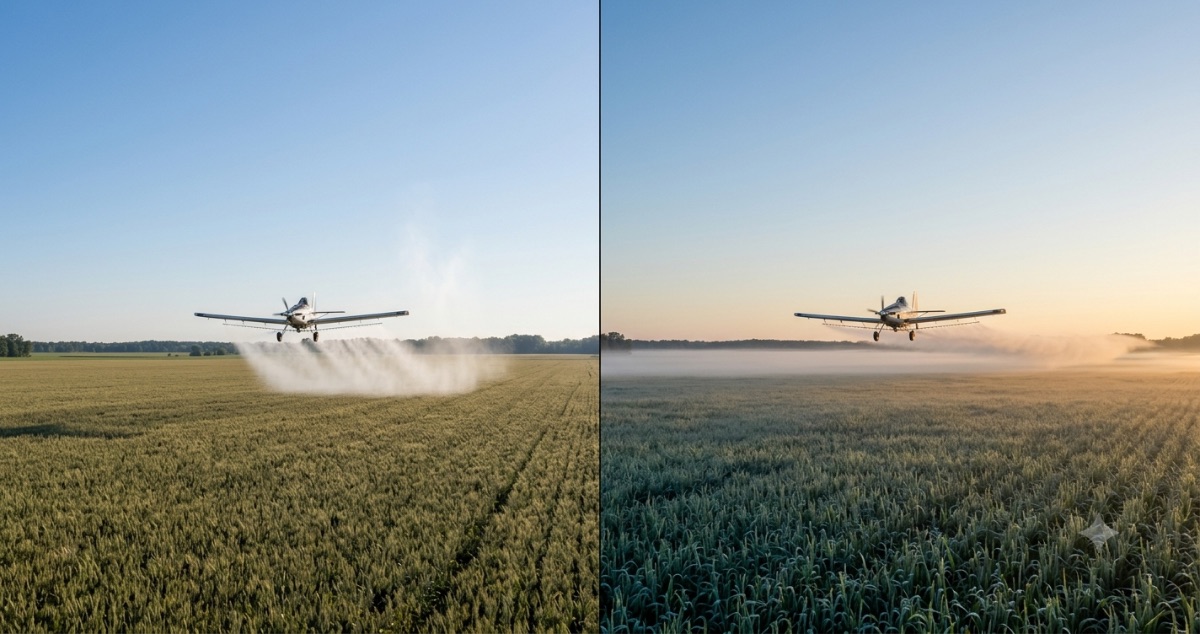
Thermal Inversion: The Calm Day That Kills
Ask an applicator with years behind them what the best time to spray is, and many will say the same thing: early, at dawn, when there is no wind. It is…
Read more →

Delta T: The Safe Range for Spraying
There is a number that shows up on ag weather stations and handheld meters, that almost nobody looks at, and that predicts better than any other whether…
Read more →
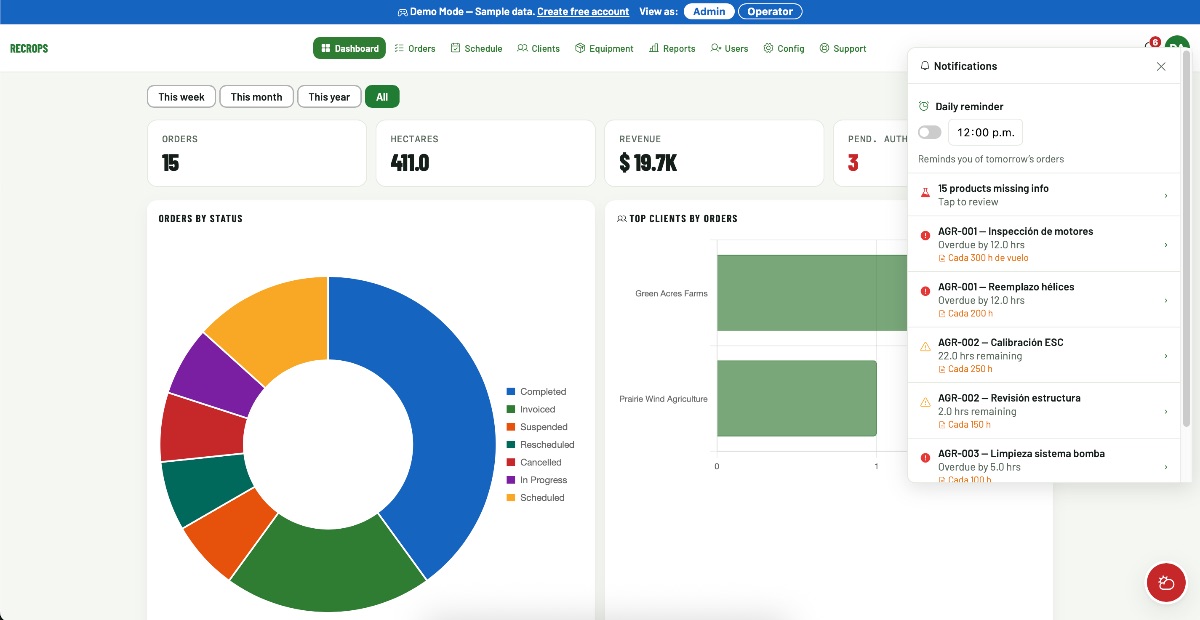
Spray Records 2026: What to Log, No Paper
A spray record is the proof that an application happened the way you say it happened: what you sprayed, where, when, how much, on which crop, under what…
Read more →

The Jar Test: Check Mix Before You Fill
Every experienced applicator has a story about a tank mix gone wrong: a load that turned to cottage cheese, a boom plugged solid halfway across the…
Read more →